Compare Local Contractors for Uneven Pavement Repair Success
Compare local contractors for uneven pavement repair to define project scope, verify experience, and set clear expectations in writing for a successful outcome.
Contractors specializing in uneven pavement repair typically handle a range of services aimed at restoring a smooth and safe driving or walking surface. This work often includes leveling sunken or raised sections, filling in cracks or potholes, and addressing underlying issues such as soil erosion or drainage problems that contribute to pavement instability. Proper assessment of the existing pavement condition and a clear understanding of the specific areas needing attention are essential to ensure that repairs are effective and durable. Defining the scope of work upfront helps property owners communicate their needs clearly and ensures that contractors are aligned on what the project entails, reducing the risk of misunderstandings or incomplete repairs.
Establishing a well-defined scope of work is crucial when comparing local contractors for uneven pavement repair. It provides a basis for evaluating each service provider’s approach, experience, and methods, helping property owners identify which contractors are best equipped to handle the specific challenges of their pavement. When reviewing proposals or service descriptions, consider how thoroughly each contractor has outlined the work to be done, including preparation, repair techniques, and finishing. This clarity not only facilitates fair comparisons but also helps set realistic expectations about the scope and quality of the repair work, fostering confidence in the selected service provider.
Property owners can make informed decisions by comparing local contractors based on their experience, reputation, and the clarity of their proposals. It’s advisable to verify how each contractor plans to approach the project, including the methods they use and the materials involved. Asking for references or examples of similar projects can provide insight into their track record with uneven pavement repair. Additionally, reviewing written descriptions of the scope of work and confirming that all necessary repairs are included can help ensure that the project will meet expectations. Taking these steps helps property owners select a service provider with the appropriate expertise and a clear plan for restoring pavement surface quality.
Compare local contractors by outlining project priorities, verifying experience, and clearly defining expectations in writing.
- Compare Contractor Experience - Review the background and expertise of local contractors to ensure they have relevant experience with uneven pavement repairs.
- Define Project Scope - Clearly outline the work needed to help contractors understand the specific repair requirements.
- Verify Work Quality - Check references or previous work to assess the reliability and craftsmanship of potential service providers.
- Document Expectations - Put all project details and agreements in writing to prevent misunderstandings during the repair process.
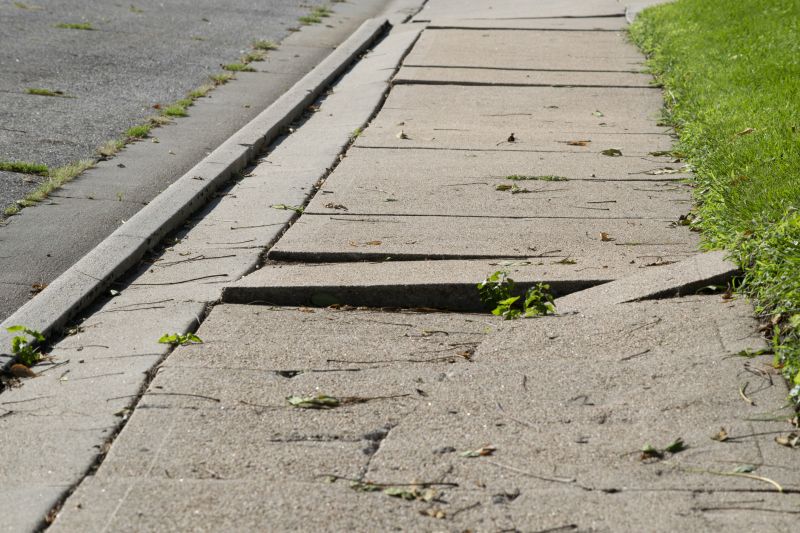
Before choosing a contractor, clearly describe your project scope, compare options, verify experience, and document expectations.
- Assess experience in uneven pavement repair to ensure contractors understand the scope of work. - Verify that service providers have a proven track record with similar repair projects.
- Compare multiple local contractors to evaluate their methods and approaches for addressing uneven pavement. - Look for detailed descriptions of repair techniques and materials used.
- Define the scope of work clearly in writing to prevent misunderstandings about repair expectations. - Ensure the scope includes surface assessment, repair methods, and finish details.
- Check references or reviews to gauge the reliability and quality of previous uneven pavement repair work. - Seek feedback on the durability and appearance of completed repairs.
- Ensure that repair plans include proper surface preparation and finishing to prevent future unevenness. - Confirm the contractor’s approach addresses underlying causes of pavement unevenness.
- Request a detailed written estimate that outlines the scope, materials, and procedures involved in the repair. - Use the estimate to compare services and set clear expectations with local service providers.
Compare local contractors' experience and clarify project scope to ensure expectations are aligned.
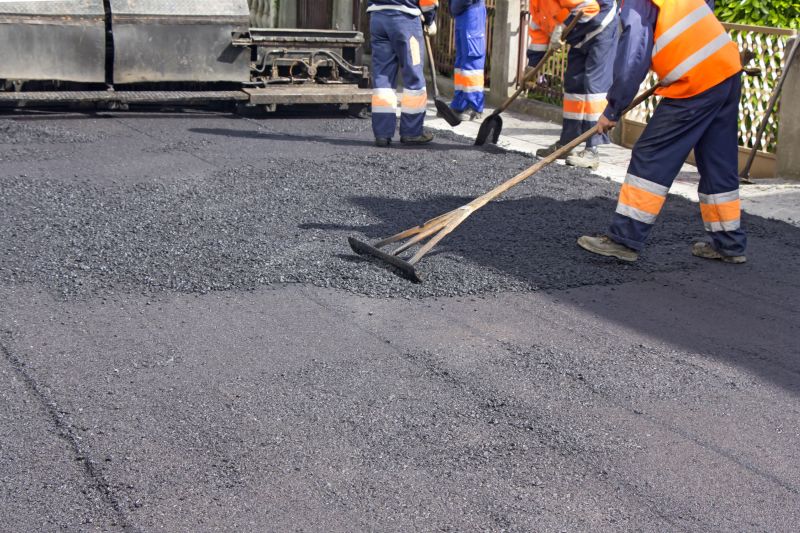
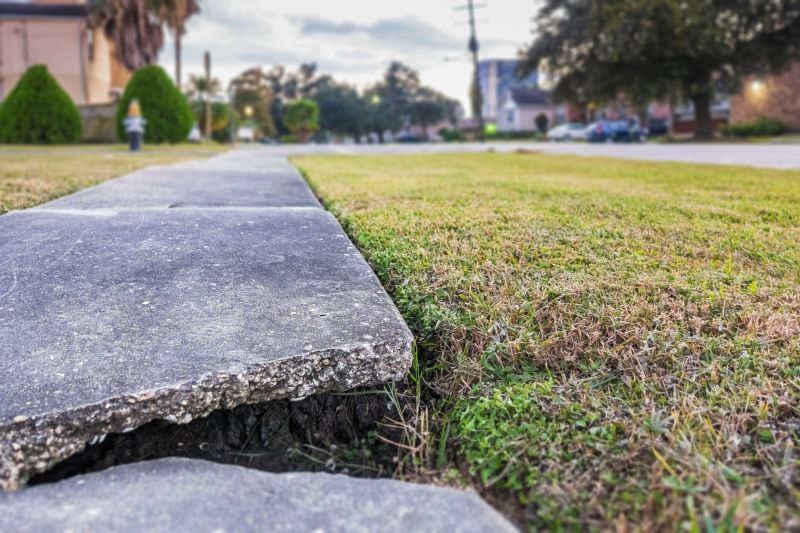
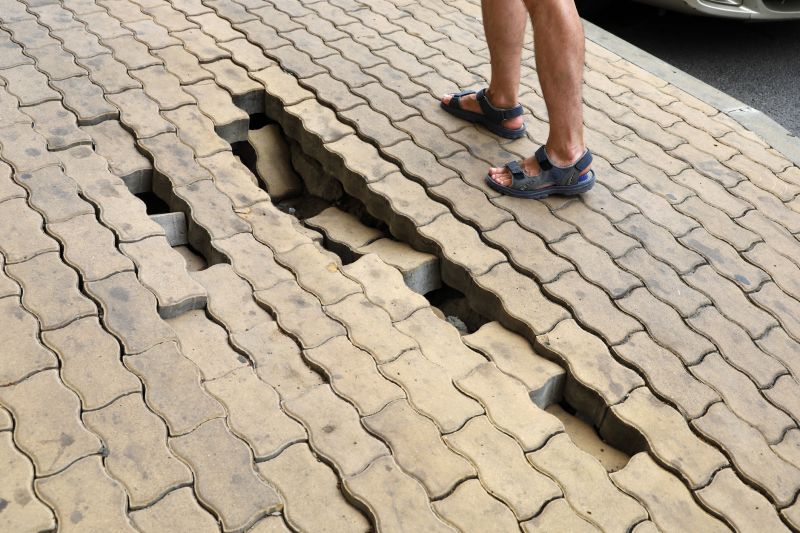
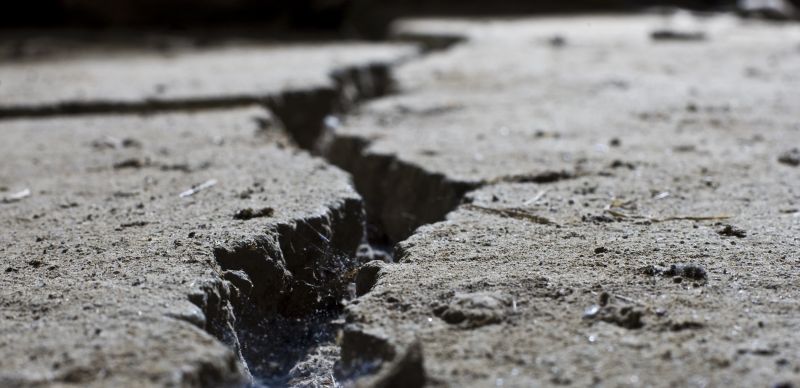
This section guides you on comparing local contractors for uneven pavement repair, ensuring consistent scope and expectations.
- Scope Definition - Clearly outline the specific areas and extent of pavement that require repair or leveling.
- Material Specification - Identify the types of materials suitable for the repair to ensure compatibility and durability.
- Experience Verification - Confirm that service providers have relevant experience with uneven pavement repair projects.
- Work Scope Documentation - Obtain detailed descriptions of the work to be performed, including methods and expected outcomes.
- Written Agreement - Ensure all project details, responsibilities, and expectations are documented in a formal agreement.
When evaluating contractors for uneven pavement repair, it is important to consider their experience with similar projects. Service providers who have successfully handled pavement leveling and repair jobs comparable in size and scope are more likely to understand the specific challenges involved. Asking about past projects or requesting references can provide insight into their familiarity with the work, helping to ensure they have the practical knowledge needed to deliver quality results.
A clear and detailed written scope of work is essential when comparing contractors. This document should outline the specific tasks to be performed, materials to be used, and the expected outcomes. A well-defined scope helps prevent misunderstandings and sets clear expectations for both parties. When reviewing proposals, look for detailed descriptions that address the key aspects of the repair, ensuring that the project’s requirements are thoroughly communicated before any work begins.
Verifying basic aspects of a contractor’s approach can assist in making an informed decision. Confirm that they understand the common causes of uneven pavement and employ appropriate methods for assessment and repair. It’s also helpful to inquire about their process for inspecting the site and determining the root issues, as well as how they plan to address potential complications. This foundational understanding indicates a contractor’s competence and approach to delivering a durable repair.
When comparing options, focus on how each service provider defines the scope of work and their approach to the project. Consider their communication about the process, materials, and expected outcomes, and ensure these align with your expectations. Evaluating a contractor’s experience with similar projects and their ability to provide a comprehensive, written plan can help identify the most suitable service providers for your uneven pavement repair needs. This approach supports making an informed decision based on expertise and clarity, rather than price alone.
Ask contractors for written scope details to ensure consistent expectations and clear project understanding.
- Experience with Pavement Repair - What specific experience do local contractors have with uneven pavement repair projects?
- Scope of Work - How do contractors define and outline the scope of the repair work to ensure clarity?
- Materials and Methods - What materials and repair techniques do local service providers typically use for uneven pavement?
- Project Expectations - How can the scope and process be documented to set clear expectations for the repair?
- Comparison Criteria - What factors should be used to compare different contractors’ approaches and experience levels?
How can I compare contractors for uneven pavement repair? To compare contractors, review their experience with similar projects, ask for references, and verify their reputation through reviews or ratings to ensure they meet your project needs.
What should I consider when defining the scope of uneven pavement repair? Clearly outline the areas that need repair, specify the type of unevenness, and determine any specific materials or methods preferred to help contractors provide accurate proposals.
How can I verify the experience of local contractors? Check for past work examples, request references, and inquire about their familiarity with the specific repair techniques required for uneven pavement issues.
What is important to include in a written agreement with a contractor? Ensure the scope of work, materials to be used, project expectations, and any warranties or guarantees are clearly detailed in the contract.
Why is it helpful to set clear expectations in writing? Written expectations help prevent misunderstandings, provide a reference point for project completion, and ensure both parties agree on the work scope and standards.
How can I ensure the contractor understands my specific repair needs? Communicate your concerns clearly, provide detailed descriptions of the uneven pavement, and confirm that the contractor has documented your requirements before work begins.
This page has highlighted the importance of clearly defining the scope of uneven pavement repair projects, verifying the experience of local contractors, and setting expectations in writing to help ensure a smooth process. By understanding these key points, property owners can make more informed decisions when comparing options among nearby service providers. Utilizing the quote form allows for easy comparison of local contractors, helping to identify the best fit for specific project needs.
Taking the time to evaluate different service providers can lead to a more confident selection of a contractor capable of handling uneven pavement repairs. Using the provided quote form makes it simple to gather information and compare local options efficiently. This approach supports making well-informed choices based on the scope of work and experience, without the need for commitments or assumptions about timelines or costs.